Key Takeaways
New Orleans has more historically significant boutique hotels per square mile than nearly any American city, and this guide covers five properties where the history is verifiable, tangible, and central to the guest experience.
- Hotel Peter & Paul: a restored Marigny church with original cypress floors and chalkboards.
- The Columns (1883): Thomas Sully's masterpiece on the St. Charles streetcar line.
- Hotel Saint Vincent: once an 1861 orphan asylum founded by the 'Bread Woman.'
- Henry Howard Hotel: a Greek Revival home designed by the prolific architect of the same name.
- Rathbone Mansions: two Esplanade Ridge estates, two stories of Creole New Orleans.
These five properties have documented histories spanning decades or centuries, making your stay part of the New Orleans narrative.
In New Orleans, history isn't just in the museums—it's in the walls of the places you sleep. These five handpicked stays offer more than a bed; they offer a journey back in time.
5 Historic New Orleans Boutique Hotels Worth Staying In
Hotel Peter & Paul
MARIGNYFORMER CHURCH & SCHOOLHOUSE
This meticulously restored complex includes a former rectory, schoolhouse, and church. The restoration preserved the original cypress wood floors and classroom chalkboards — details that root guests in the building's living history. The design palette draws from 14th-century religious paintings, threading the neighborhood's deep Catholic roots into a modern artistic sensibility that feels intentional rather than decorative.
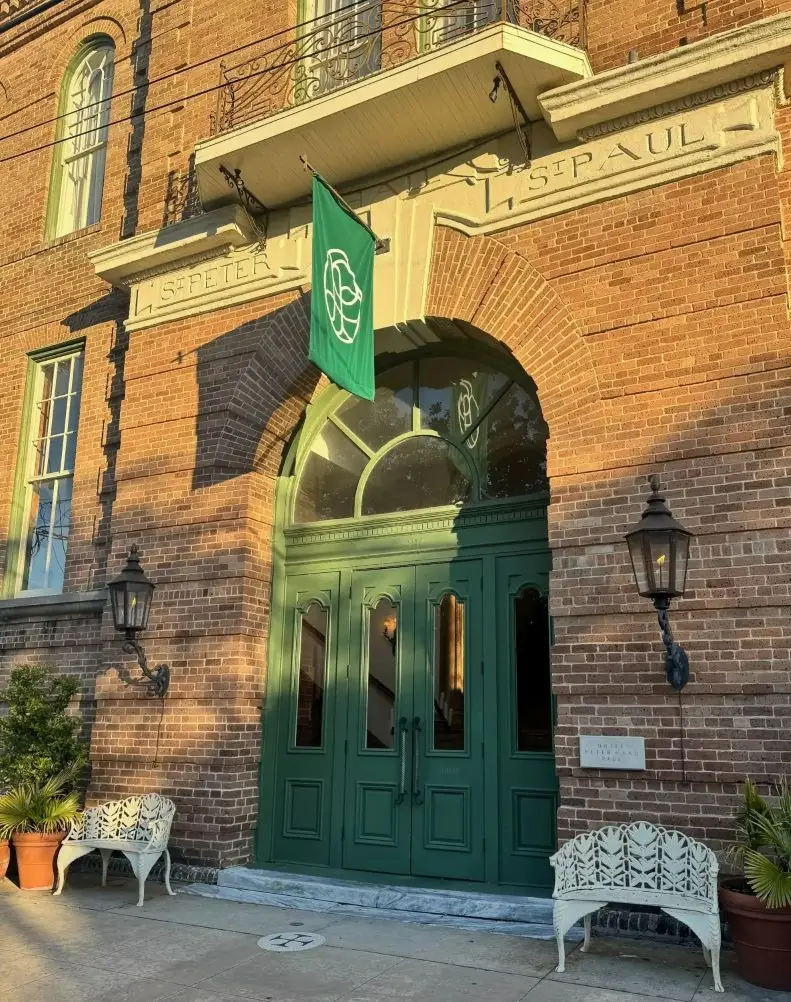
The hotel sits in the Faubourg Marigny, New Orleans' first suburb — developed when the French Quarter grew too crowded. The land belonged to Bernard de Marigny, a flamboyant Creole aristocrat who is also credited with introducing the dice game of craps to America. That blend of Old World refinement and reckless charm still defines the neighborhood, and Hotel Peter & Paul wears it well.
Book a StayThe Columns
UPTOWNESTABLISHED 1883
Designed in 1883 by Thomas Sully — the most sought-after architect in New Orleans at the time — this mansion is a masterclass in the Queen Anne and Italianate styles that define the Garden District's grand streetscapes. Sully's signature is everywhere: the sweeping front porch, the ornate millwork, the proportions that feel both monumental and livable.
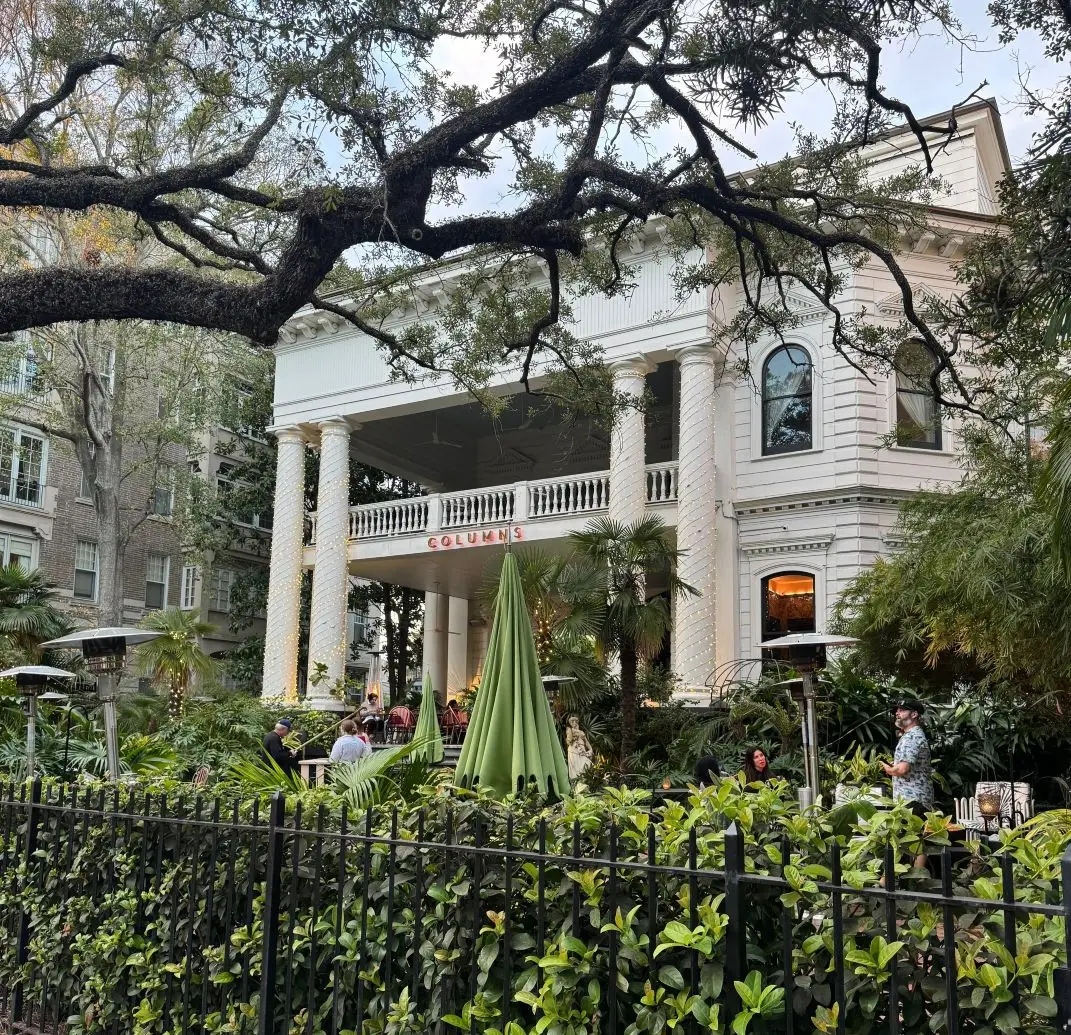
The Columns sits on the border of the Garden District and Uptown, a location that tells its own story. To the south is the old-money formality of the lower Garden District; to the north, the lively, academic energy surrounding Tulane and Loyola. Settle onto the front porch with a cocktail and you'll hear the clatter of the St. Charles streetcar rolling past — one of the great simple pleasures this city offers.
A 2020 gut renovation transformed what had been a neglected concrete side-yard into a lush, tiered garden, quietly expanding the hotel's social footprint beyond the iconic porch. It's the kind of thoughtful upgrade that adds to the story rather than rewriting it.
Book a StayHotel Saint Vincent
LOWER GARDEN DISTRICTESTABLISHED 1861
Before it was a hotel, this red-brick landmark was St. Vincent's Infant Asylum, founded in 1861 by Margaret Haughery — a woman New Orleans called the "Bread Woman." Haughery arrived from Ireland as an illiterate immigrant with nothing, built a bakery empire from scratch, and gave away virtually every cent she earned to orphans and the destitute. During the city's devastating yellow fever outbreaks, when the streets of New Orleans were a death march, she turned this building into a sanctuary for children left behind. The grand wrought-iron gates and the weathered brick facade you see today are original artifacts of that mission.
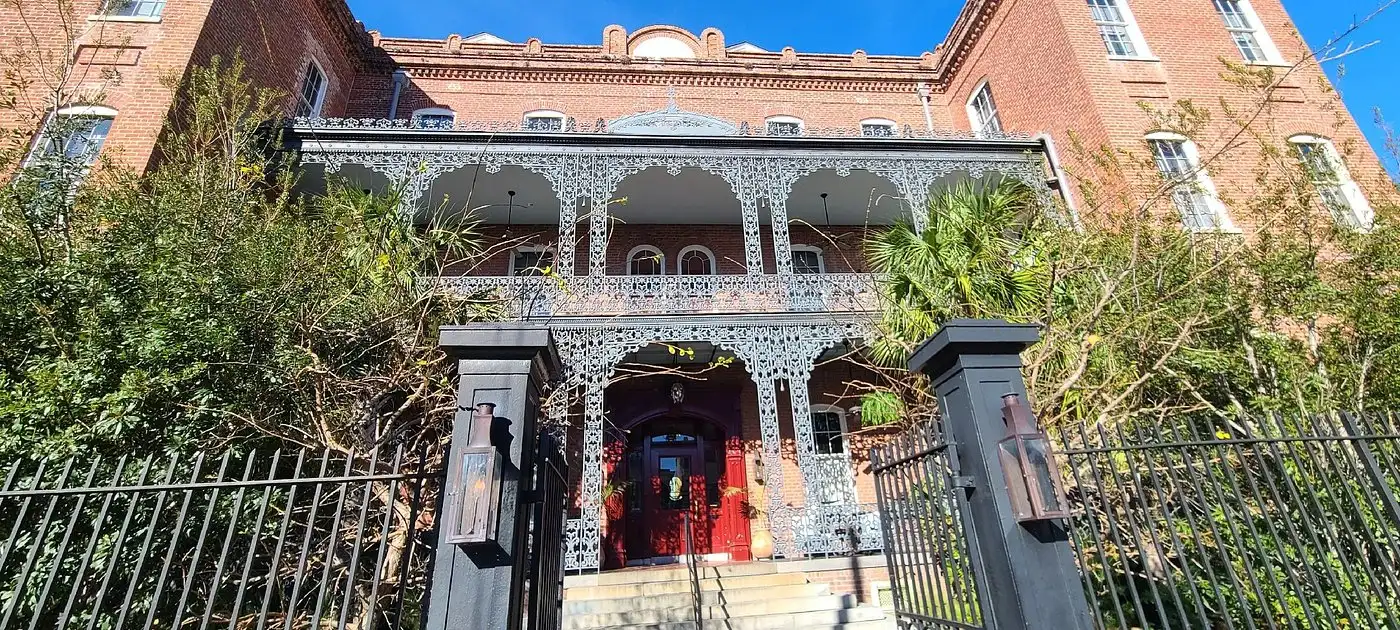
The neighborhood itself adds another layer of context. The Lower Garden District was never quite the same as the upper — less about old-money Creole grandeur and more about the grit of the working waterfront. Irish and German immigrants who labored on the docks built their lives here, and the area's character reflects that: more industrial, more diverse, more hard-edged than the manicured blocks to the south. Hotel Saint Vincent sits at the intersection of all of that history — a building that was once charity now converted into a lush, maximalist escape with an atmosphere that feels at once deeply historic and cutting-edge.
Book a StayHenry Howard Hotel
GARDEN DISTRICTGREEK REVIVAL TOWN HOUSE
Henry Howard arrived in New Orleans in 1837, fresh off the boat from Cork, Ireland, and went on to become the most prolific architect the city has ever produced. A master of Greek Revival and Italianate styles, Howard left his mark across the Garden District and beyond — and nowhere more personally than here, in the building that now bears his name.
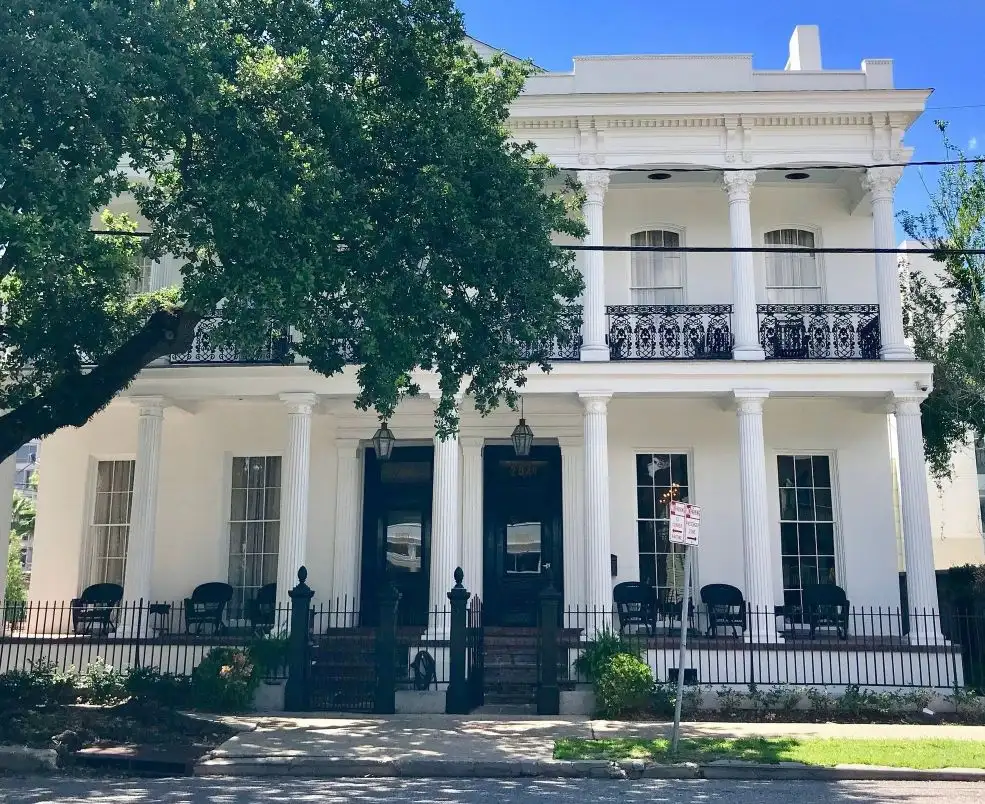
Inside the rooms, look for the original plaster moldings and the exposed brickwork. These are the bones of Howard's 1867 vision, preserved through more than 150 years of hurricanes and history. To stay here is to sleep inside a primary source. The hotel is steps away from Coliseum Square, a park designed in the 1830s to be the center of a "New Athens." The streets surrounding it are named after the nine Greek Muses (Euterpe, Terpsichore, Melpomene, etc.), signaling the neighborhood's early intellectual and artistic ambitions.
Book a StayRathbone Mansions
TREME / ESPLANADE19TH CENTURY ESTATE
Rathbone Mansions may be the finest physical manifestation of Esplanade Ridge history — a grand promenade that once served as the social spine of New Orleans' elite Creole society. Because the hotel is split across two separate mansions at 1244 and 1227 Esplanade Avenue, it tells two very different stories about the people who built this city.
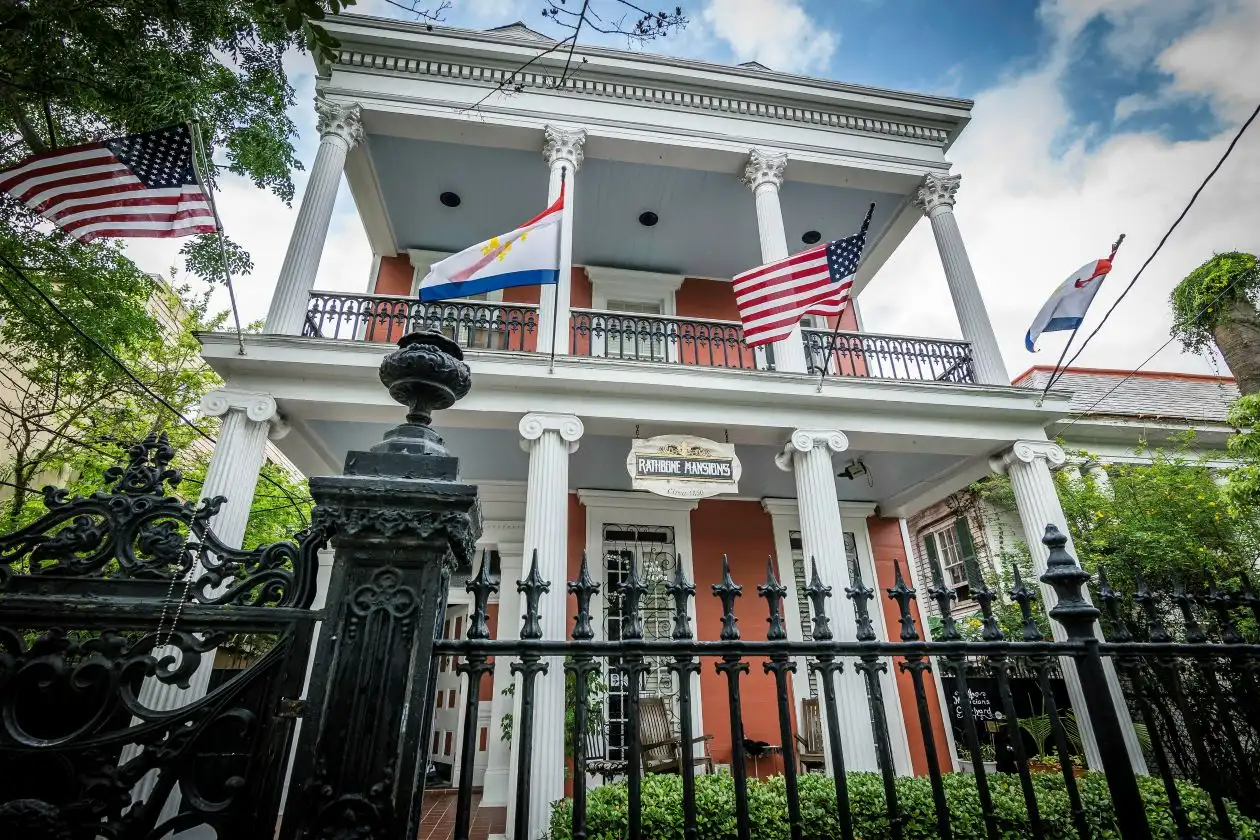
The mansion at 1244 Esplanade was built by Adolph Gauche for his mistress, Belle Elizabeth Aubert — a free woman of color. The home stayed in her family for generations, a quiet but powerful testament to the wealth, stability, and standing of New Orleans' free Black community in the mid-19th century. That this house exists at all is remarkable; that it survived intact into the present is extraordinary.
Across the avenue, 1227 Esplanade was purchased by Henry Rathbone, a wealthy banker whose story captures a rare social phenomenon in antebellum New Orleans. Rathbone was an "American" — the term Creoles used for Anglo newcomers they regarded with suspicion — yet he achieved something almost no outsider managed: full acceptance into the exclusive, French-speaking Creole high society. Together, these two mansions don't just offer a beautiful place to stay. They offer a portal into the layered, contradictory, and deeply human history of the city itself.
Book a StayFind Your Story
Ready to book a stay where history comes alive? Tell us your wish list and we'll find the perfect boutique hotel.
Explore More New Orleans Stories
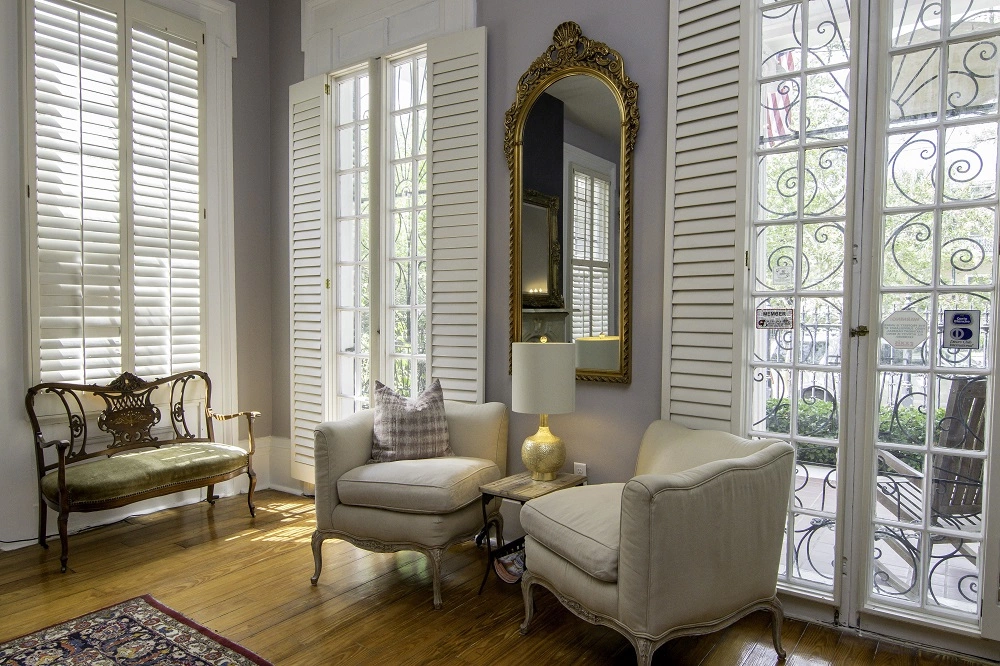
Historic Boutique Hotels in New Orleans: Where Stories Come Alive
Our full guide to the most historically significant independently owned boutique hotels in New Orleans.
Read More
6 Romantic Boutique Hotel Stays in New Orleans
From French Quarter elegance to Garden District charm, the most romantic boutique hotels for couples.
Read More
Boutique vs Chain Hotels: A Tale of Two Hospitality Models
Explore the history and evolution of boutique and chain hotels, and discover which model fits your travel style.
Read MoreNote: This post contains affiliate links. If you book a stay through these links, we may earn a small commission at no cost to you. Thanks for supporting independent travel research!